
A catering plan can be accurate for adult guests and still miss several people who need dinner. Children may have different meal preferences or timing needs, while suppliers may be working through the reception. Neither group is well served by an unexamined line reading ‘extras.’
Begin with actual people and agreements. Ask parents or responsible adults about children’s meal requirements. Ask suppliers what their contracts specify and when they can take a break. There is no universal etiquette rule requiring one identical menu for everyone or one standard child meal for every age.
🍽️ Give each group a clear planning route
| Group | Questions to ask | What to confirm with catering |
|---|---|---|
| Children attending dinner | Meal preference, attendance and relevant requirements | Menu, portion option and service timing |
| Infants or very young children | Family’s intended feeding arrangements | Venue facilities and any handling limitations |
| Working suppliers | Contract terms and workable break | Meal type, location and release time |
| Supplier assistants | Who is actually present and covered | Separate accurate count |
Do not make assumptions from a child’s age alone. A child may prefer the adult dish, need an adapted option or bring a family-arranged meal under an agreed process. The caterer and responsible adult should discuss relevant suitability questions; the couple should not make feeding or medical recommendations.
A complete illustrative count
Assume a fictional wedding has six children needing meals and five working suppliers: two photographers, two musicians and one coordinator. That creates 11 meals beyond the adult guest count. If two children choose an agreed adult menu option, the caterer’s category breakdown becomes two adult-menu child selections, four child-menu selections and five supplier meals.
The total remains 11 people needing meals. These assumptions illustrate categories, not pricing. The contract may classify the two adult-menu selections differently from the child-menu selections, and supplier meals may have their own terms. Ask rather than inferring a discount or entitlement.
For timing, suppose the photographers can eat while guests have their main course, but the musicians have a later break. The caterer needs those windows in advance. Sending all supplier meals to an empty room at one arbitrary time may not provide a usable break for anyone.
Build the plan in sequence
- List every child and supplier expected during the meal period.
- Collect relevant choices and dietary requests through a private route.
- Check supplier contracts and confirm who is included in each team.
- Agree meal types, locations and service windows with the caterer.
- Add the meals to the final reconciliation under separate categories.
- Tell supplier leads where and when meals will be available.
- Assign one contact for unexpected changes.
Cater Directly’s guide identifies meal counts, staff, rentals and venue time as connected parts of a service plan. Additional diners can affect more than food quantity: they may need chairs, cutlery, a suitable break location and clearing. Confirm who supplies those elements.
Keep dietary information accurate and private
Allergy-related requests need the same care whether the person is a child, guest or supplier. GOV.UK’s food-business guidance emphasises accurate information, ingredient updates and serving the correct customer. Those requirements are jurisdiction-specific; the caterer should follow the rules and controls relevant to the event’s location.
Do not promise a generic child menu is universally suitable or assume a supplier’s dietary request is less important because they are working. Equally, avoid posting private requirements on a public run sheet. Share operational details with the team that needs them.
Outside food, storage and reheating arrangements require explicit agreement. A venue may have restrictions, and a caterer may not be able to handle an unlabelled meal delivered at the last minute. Discuss the arrangement beforehand rather than leaving a family or supplier to negotiate it during service.
The takeaway is to plan hospitality around actual people and practical timing. Clear counts, confirmed requirements and usable meal breaks matter more than a rigid hierarchy of who receives which plate.
Sources and further reading
Photograph credit
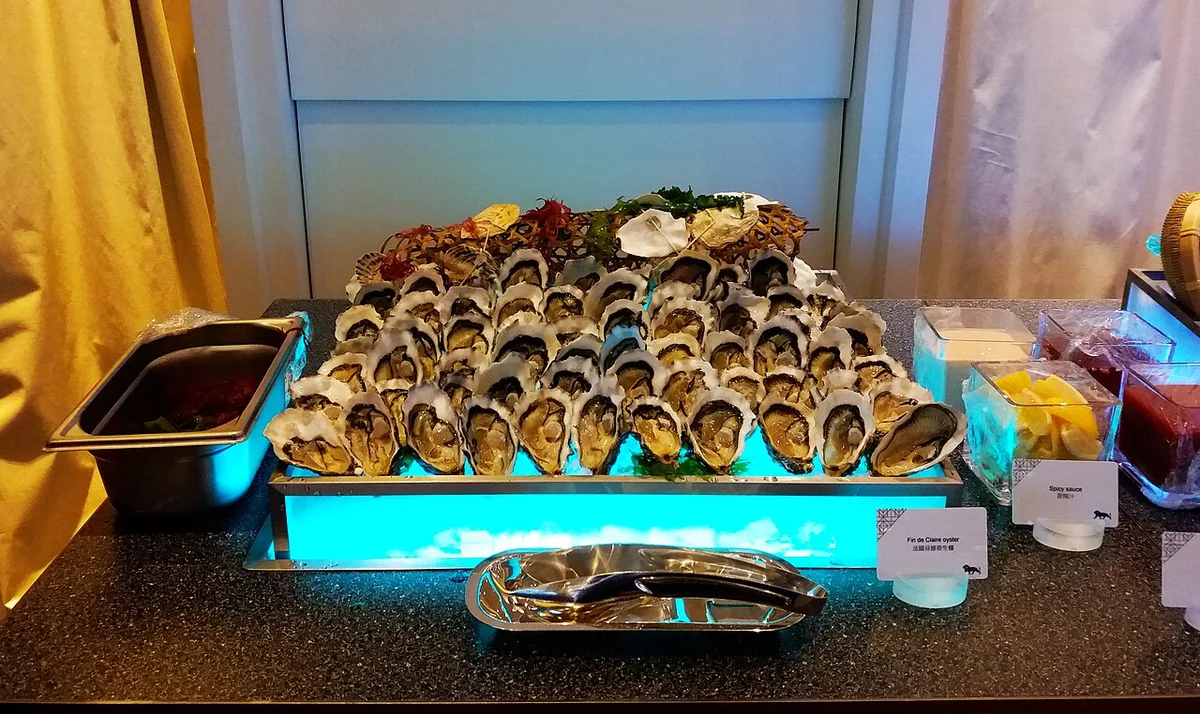
Filled wraps stacked on a tray at a wedding buffet. Photo: Pauloleong2002, A wedding banquet in buffet style.jpg, CC BY-SA 4.0. Resized and converted to WebP; the image remains available under its original licence. This is an illustrative photograph, not a Vowlinora case study or a photograph of the worked example.
